
Temporomandibular joint (TMJ) pain can be disruptive, making simple activities such as chewing, speaking, or yawning uncomfortable. For many people, TMJ discomfort is linked to tension in the jaw muscles, teeth grinding, or joint misalignment.
While lifestyle adjustments, night guards, and physical therapy are common approaches, some people are turning to Botox (neurotoxin) injections as a way to reduce muscle tension and ease discomfort. You may be a candidate for Botox (neurotoxin) for TMJ pain if your symptoms are primarily caused by muscle tension, clenching, or teeth grinding that haven’t improved with other treatments.
Understanding TMJ Disorders
The temporomandibular joints connect your lower jaw to your skull, working like hinges that allow you to eat and speak. When these joints and surrounding muscles are strained, they can cause pain that radiates through the face, neck, and even into the head.
Common symptoms of TMJ disorders include:
- Jaw pain or tenderness
- Clicking, popping, or grinding sounds in the jaw
- Limited movement when opening or closing the mouth
- Headaches, particularly around the temples
- Facial muscle tension
Because TMJ pain has multiple causes, treatment is rarely one-size-fits-all. Botox (neurotoxin) has emerged as one option among several therapies designed to help patients find relief.
How Botox Works for TMJ Pain
Botox, also known as botulinum toxin, is most commonly associated with cosmetic treatments, but its use in dentistry has increased in recent years. When injected into specific jaw muscles, Botox (neurotoxin) helps relax overactive muscles that may be clenching or grinding excessively. This relaxation can reduce strain on the temporomandibular joint, which in turn may ease discomfort.
Unlike other treatments that focus on repositioning the jaw or protecting teeth, Botox (neurotoxin) targets the muscle activity itself. For people whose TMJ pain is closely linked to jaw tension or bruxism (teeth grinding), this approach can be appealing.
Potential Benefits of Botox for TMJ Pain
For some patients, Botox (neurotoxin) may offer meaningful relief from persistent jaw discomfort. Its effects can extend beyond the joint to related symptoms that often accompany TMJ disorders.
Possible benefits include:
- Reduction in muscle tension
- Fewer headaches linked to jaw clenching
- Relief from jaw stiffness
- A decrease in teeth grinding during the day or at night
Because Botox (neurotoxin) doesn’t permanently alter the joint or bite, it can be considered a reversible treatment, giving patients a chance to explore whether it’s right for their needs without committing to a surgical option.
Things to Consider Before Choosing Botox
Botox (neurotoxin) is not the right fit for everyone, and it’s important to weigh the considerations before deciding. TMJ disorders can stem from multiple factors, such as stress, arthritis, injury, or even structural misalignment. Botox (neurotoxin) primarily addresses muscle tension, so it may not resolve pain that has another underlying cause.
Points to think about include:
- The root cause of your TMJ pain
- How often would Botox (neurotoxin) treatments be required to maintain results
- Potential side effects include temporary weakness in the chewing muscles
- Whether your discomfort could be managed with other therapies first
A dental professional with experience in TMJ treatments can help you understand whether Botox could be part of your care plan.
Who Might Be a Candidate?
Candidates for Botox (neurotoxin) as a TMJ treatment are typically people whose discomfort is closely tied to muscle tension or chronic clenching and grinding. They may have already tried traditional options, such as night guards, stress management, or physical therapy, without finding enough relief.
You might consider discussing Botox (neurotoxin treatment) with your dentist if:
- You’ve been diagnosed with bruxism and experience persistent pain
- Night guards or other devices haven’t improved your symptoms or you are unable or uncomfortable to wear such devices
- Jaw pain is affecting your ability to eat, sleep, or speak comfortably
- Your dentist has identified muscle overuse as a primary factor in your discomfort
Since Botox (neurotoxin) treatment is temporary and typically needs repeating every few months, it’s often used as part of a larger TMJ management plan rather than as a stand-alone, long-term fix.
What to Expect from the Treatment
Receiving Botox (neurotoxin) for TMJ pain usually involves a straightforward procedure at the dental office. Small amounts of Botox are injected into targeted jaw muscles, such as the masseter or temporalis, depending on the source of tension.
The appointment itself is typically brief, and most patients can return to their daily activities soon after. The effects of Botox (neurotoxin) are not immediate, usually taking a few days to begin and reaching their peak after about 2 weeks. Relief may last several months before another session is needed.
Exploring Your Treatment Options
TMJ disorders can vary widely from person to person, and treatment often involves combining multiple approaches. While Botox(neurotoxin) may provide relief for muscle-driven pain, your dentist might also suggest complementary strategies such as:
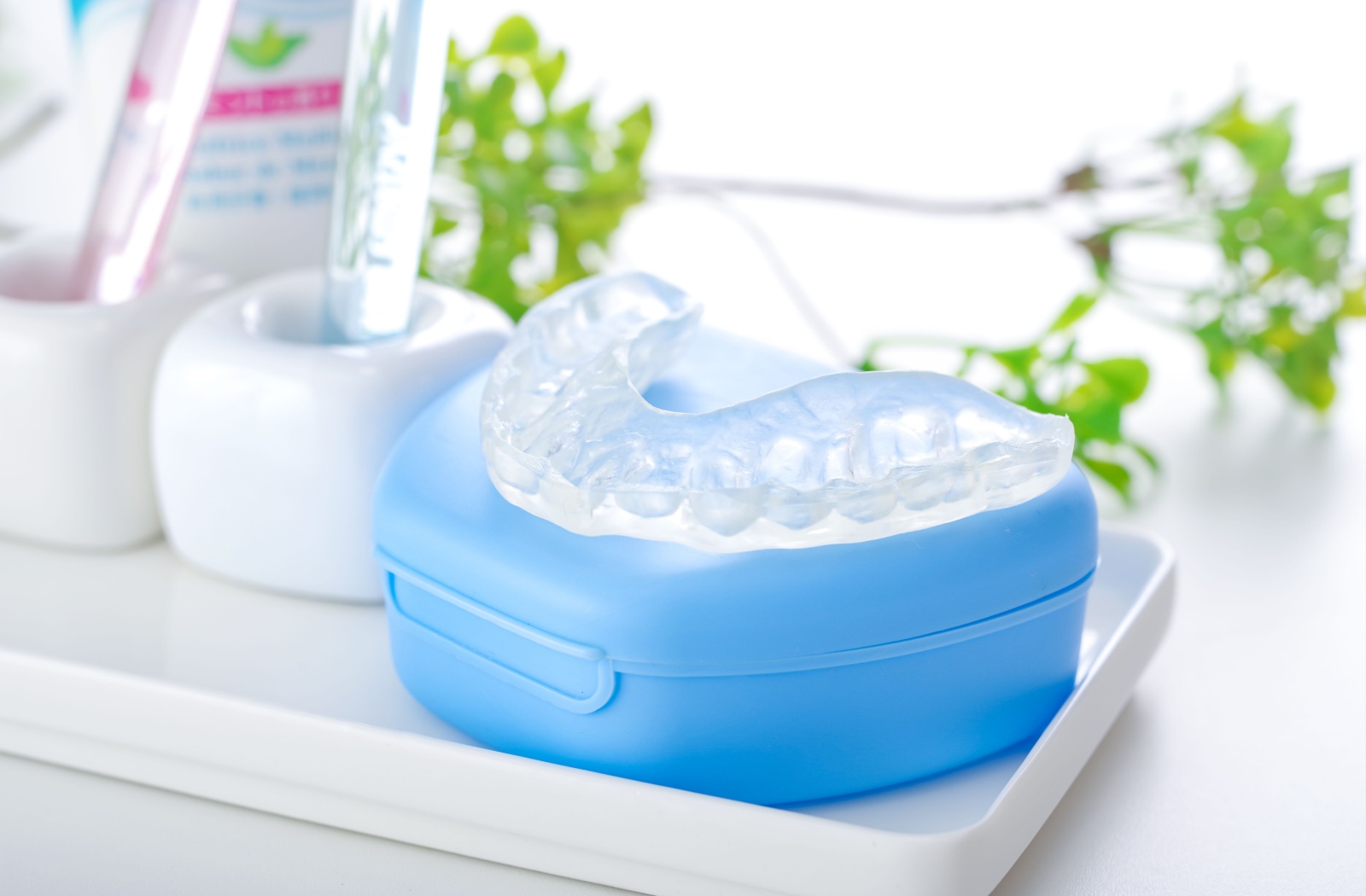
- Night guards or oral splints
- Jaw exercises and physical therapy
- Stress management techniques
- Lifestyle changes to reduce clenching triggers
Combining these methods can create a more comprehensive plan tailored to your personal needs.
Talking to a Professional About Botox for TMJ
If you’ve been struggling with TMJ discomfort and are curious about Botox (neurotoxin), the next step is a consultation with a dental professional. They’ll assess your jaw function, review your medical history, and discuss your symptoms to determine if Botox fits into your treatment plan.
At Dentistes REMA, patients benefit from an empathetic, technology-focused approach to dentistry. With multiple clinic locations and a mission to place people at the heart of care, the team is committed to helping patients explore options that support their comfort and well-being. Take the first step toward relief by booking a consultation today and discover whether Botox (neurotoxin) could be the right option for easing your TMJ discomfort.