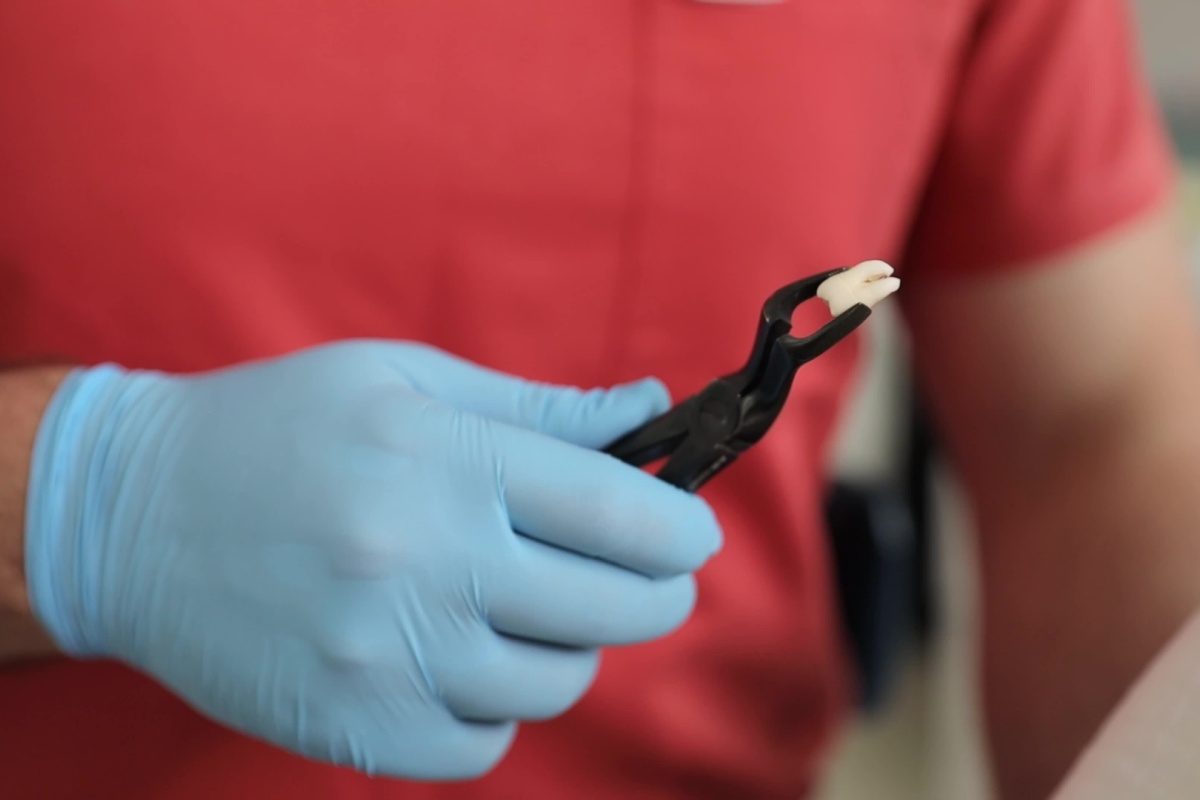
Where to Go for Emergency Tooth Removal
A sudden, throbbing toothache can disrupt your entire day. Our team at Dentistes REMA understands that when you or a family member experiences a dental emergency like severe pain, a broken tooth, or swelling, it's hard to think about anything else. You just want the discomfort to stop, but you might feel unsure about where to turn for help when you need it most.
The best place for you to go for an emergency tooth problem is a dental clinic. Dental professionals have the specific tools, training, and environment to properly assess and care for your tooth, helping you find relief and a path forward.
Signs You May Need Help Right Away
Sometimes it’s difficult to know if a tooth problem is a real emergency. Paying attention to what you feel can help you decide when to seek care quickly. If you notice any of these or other common dental warning signs, it’s a good idea to contact a dental professional.
- A toothache that does not go away
- Swelling in your face, jaw, or gums
- A tooth that is loose or broken
These signs can point to a serious issue, like an infection. An infection that starts in a tooth can sometimes spread, so addressing the source of the pain quickly is important for your overall health. A loose tooth after an injury also needs prompt attention to have the best chance of saving it.
First Steps You Can Take at Home
While you arrange for a dental visit, there are a few simple things you can do at home to help manage your discomfort. These steps can provide temporary relief, but it's also helpful to know the right emergency treatment steps for different dental injuries before you see a professional.
- Rinse your mouth with warm salt water
- Apply a cold pack to your cheek
- Rest with your head slightly elevated
Find the Right Place for Dental Care
When you have a tooth emergency, you have a couple of choices for where to go. Understanding the difference between a dental office and a hospital emergency room can help you get the right care, right away.
Your Dentist vs The Hospital
A dental office is designed specifically for mouth-related health. The team uses specialized equipment to perform a thorough dental exam and get a clear picture of what’s causing the problem. These tools—like dental chairs and specific imaging devices—are things you won’t find in a typical hospital room.
A hospital emergency room is excellent for many types of emergencies, but it may not be set up to handle the root cause of a dental issue. The staff can help manage pain and infection, but they often need to refer you to a dentist to fix the tooth itself.
Your local family dentistry clinic is prepared to handle these urgent situations for every member of your family, from young children to adults. The team can focus on your tooth, diagnose the problem, and discuss a plan to help you feel better.
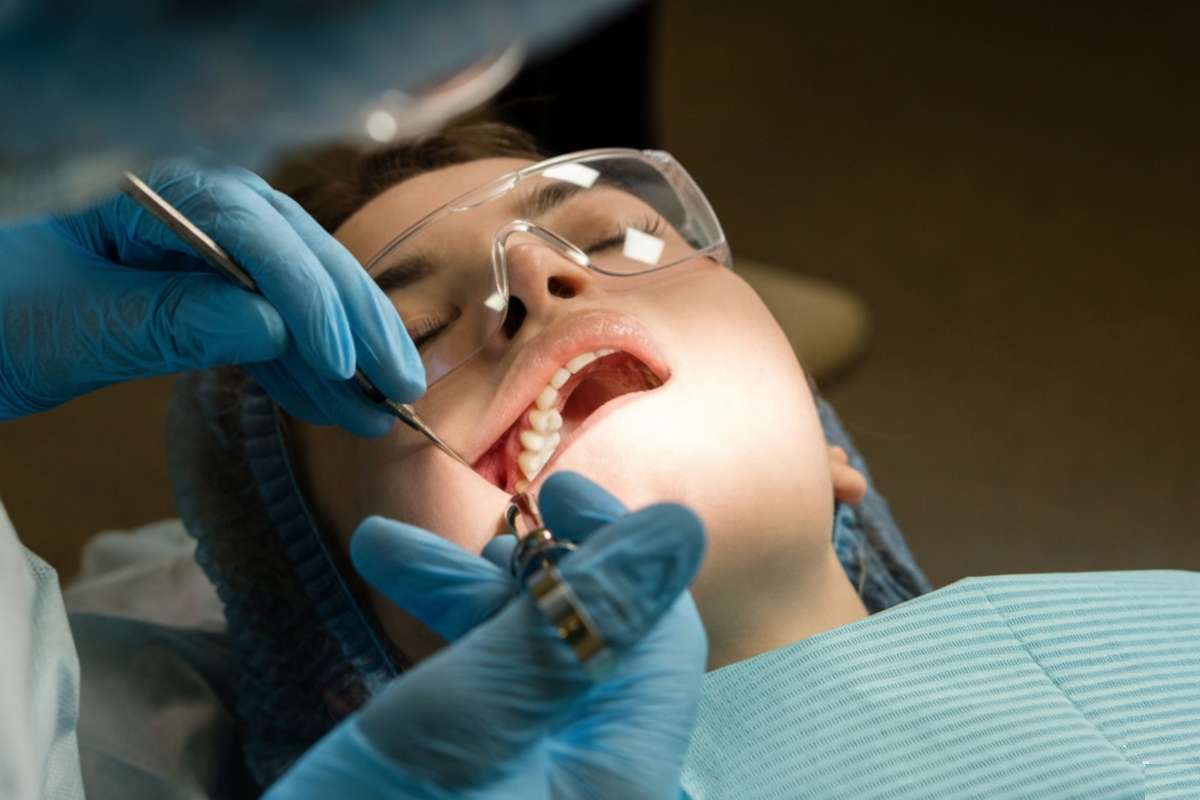
What Happens at the Dental Office
Visiting the dentist for an emergency can feel a bit overwhelming, but knowing what to expect can make the process smoother. The first step is a careful look at your tooth and mouth. The dental team will ask you questions to understand what you're feeling.
Next, they may take an X-ray of the area. This gives them a look beneath the surface at the tooth’s root and the surrounding bone. It’s a key step that provides a complete picture of your oral health.
Based on the exam and X-ray, the team can determine the best way to help you. The goal is often to save your natural tooth if possible. They may talk to you about options like a filling for a cracked tooth, a root canal for an infected tooth, or, if necessary, removing the tooth to relieve pain and prevent other problems.
Once the team has all the information, they will sit down with you to talk about your options. They can explain what they see and recommend a path to help resolve the issue, so you can make an informed choice.
How to Feel Better After Your Visit
After your appointment, your focus shifts to recovery. Taking a few simple steps can help you stay comfortable as your mouth heals. Following the advice from your dental team helps support a smooth healing process.
Tips for a Smooth Recovery
For the first day or two, stick to soft foods that are easy to eat. Things like yogurt, smoothies, mashed potatoes, and soup are great choices. They require very little chewing, which gives the sensitive area in your mouth a chance to rest.
Giving your body time to relax helps the healing process. Try to take it easy and avoid strenuous activity for a little while. A little extra rest can go a long way in helping you feel back to normal sooner.
Every situation is unique, so the dental team will give you specific post-operative care instructions tailored to your needs. Following their guidance on cleaning the area and managing discomfort can help support a quick and easy recovery.
When a dental emergency happens, you want a team that puts you and your family first. The team at Dentistes REMA is here to help bring a smile back to your face. Contact your local clinic to get the care you need.