
A bright smile is an immediate confidence booster for some, but it can lose its shine over time.
To achieve and maintain a whiter smile, it’s important to identify the habits and choices that impact it. You can take steps to slow down tooth discoloration.
Here are some tips to keep a bright smile.
- Maintain good oral hygiene habits. Brushing daily, especially before bed, can help prevent plaque buildup. Plaque forms a film laden with bacteria that can darken the surface of teeth. If left untreated, it can harden into tartar, which can only be removed with special tools by a dentist.
- Use dental floss daily. Using dental floss helps remove debris trapped between teeth and along the gum line. It makes your smile cleaner and brighter and also helps prevent plaque buildup. Flossing also helps protect gums from infection.
- Drink plenty of water. Water is the safest drink for the mouth. It doesn’t leave stains and helps remove debris. It stimulates saliva production, reduces acidity levels in the mouth, and prevents bad breath.
- Limit sugar consumption. Harmful bacteria feed on sugary and starchy foods. They then combine with acids to erode tooth enamel. As the enamel wears away, the dark layer underneath becomes more visible, resulting in a yellowish smile. Enamel erosion can also lead to increased sensitivity because the nerves in the tooth are exposed.
- Beware of stains. Pigmented liquids, such as sauces, sodas, and coffee, can stain teeth. When you indulge in saucy dishes or colored drinks, make it a habit to drink water or rinse your mouth with plain water afterward. This helps prevent pigments from settling on the surface of your teeth. Also, be wary of acidic drinks. Excessive exposure to anything acidic can also lead to enamel erosion.
- Quit smoking. The nicotine and tar in cigarettes penetrate tooth enamel, which can cause discoloration. Quitting smoking will not only help brighten your smile, but also reduce bad breath and improve your overall health and well-being.
- Brush your tongue. The tongue has uneven surfaces where bacteria can get trapped and multiply. This can contribute to bad breath and a dull smile. Cleaning the tongue helps freshen breath and improve the sense of taste.
- Use a whitening toothpaste. Talk to your dentist about safe teeth whitening products you can use. Refer to options approved by industry authorities. Note, however, that over-the-counter products may only offer a very limited improvement to your smile. Excessive or misused products can also be harmful to your oral health.
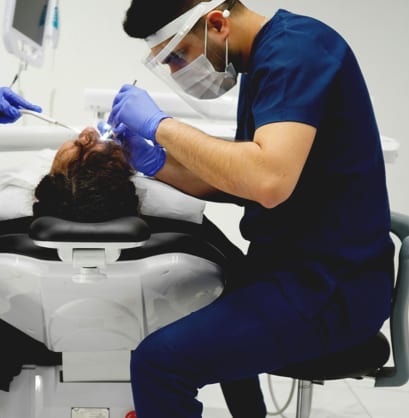
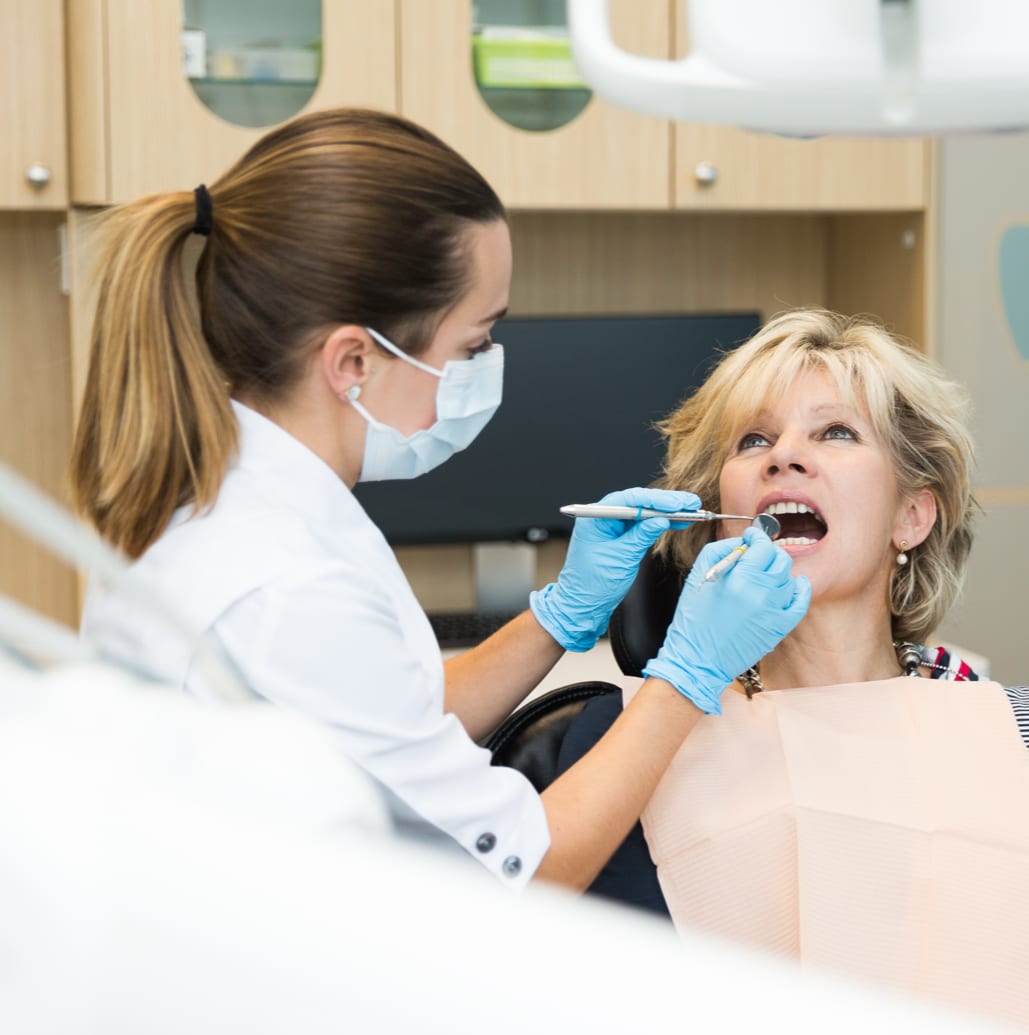
- Opt for regular dental cleanings. Regular dental checkups and cleanings also help whiten teeth. Even with brushing and flossing, some debris can remain. Your dental hygienist can remove this debris and give you tips to improve your oral hygiene routine. Your dentist can also inform you about potential problems in your mouth and recommend solutions to prevent them from progressing.
Getting whiter teeth doesn’t happen overnight. It requires consistent effort and a little help from your dental team. A brighter smile may only have aesthetic value for some, but it helps you feel better and happier.
Consult your dentist today for teeth whitening solutions that will give you a bright smile, more conveniently.